Is Your Attic Making Your Home Hotter? How Proper Ventilation Can Save Your Roof and Your Wallet
We all know how intense the summer heat can get here in East Tennessee. As the temperature climbs, y'all crank up the air conditioning, hoping for some relief. But what if one of the biggest culprits behind your sweltering home and high energy bills is right above your head? Your attic can act like a giant oven, trapping superheated air and radiating it back down into your living spaces. This not only makes your home uncomfortable but can also cause serious, costly damage to your roof's structure and shingles.
Fortunately, there's a solution that allows your home to breathe, extending the life of your roof and improving your home's energy efficiency. At SuperRoofs LLC Tri-Cities, we help homeowners in Kingsport and across the region understand the critical role of proper attic ventilation. Let's explore why it matters and how it works.
The Science Behind a Stifling Attic
Throughout the day, your roof absorbs a massive amount of solar energy from the sun. This heat gets transferred into your attic space, and without a way to escape, temperatures can soar to 150°F or even higher. This trapped, stagnant air creates a host of problems that go far beyond just feeling too warm.
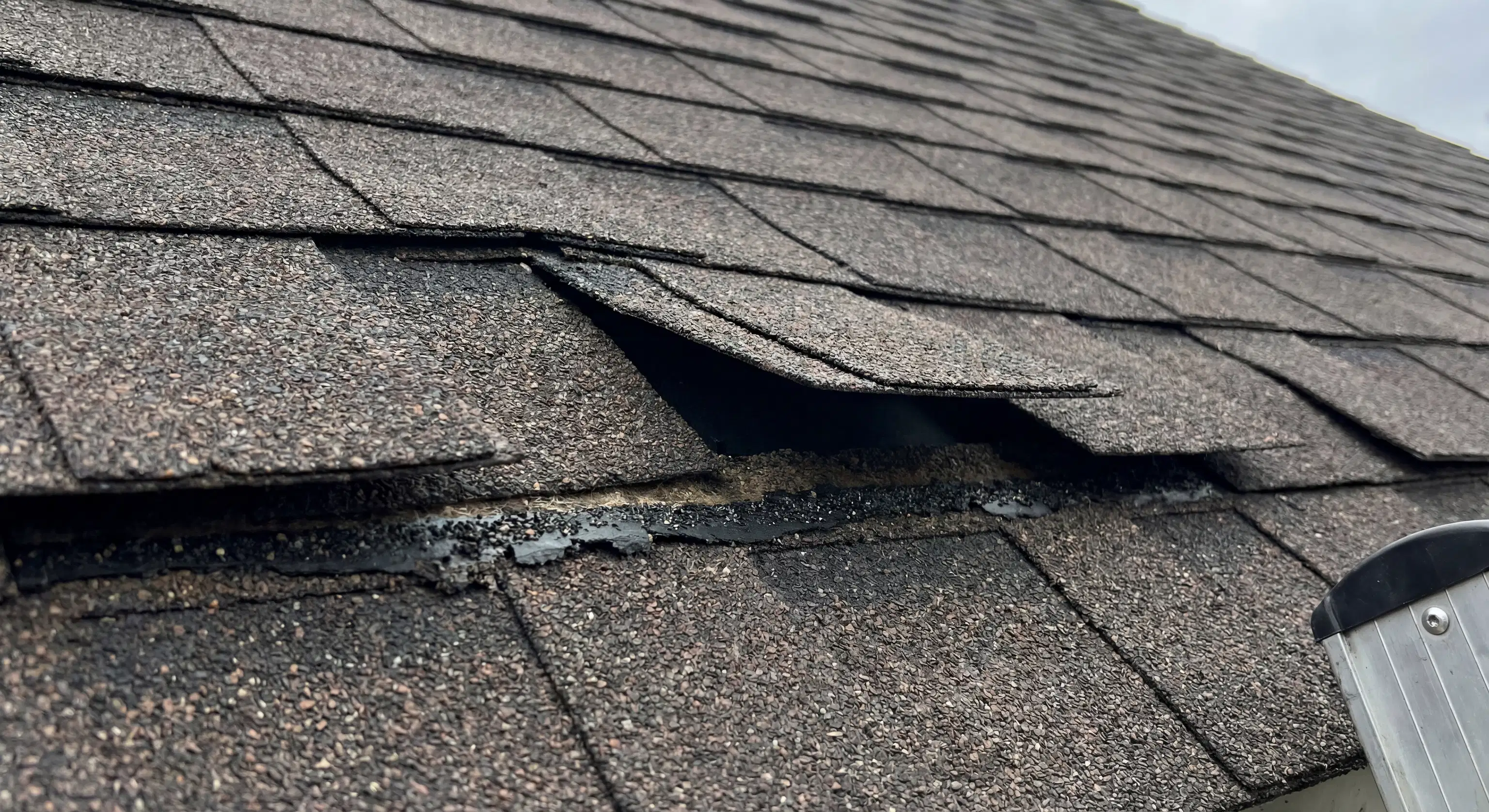
First, it forces your HVAC system to work overtime, constantly fighting against the heat radiating down from your ceiling. This leads to significantly higher energy bills and unnecessary wear and tear on your equipment. Second, this extreme heat can bake your asphalt shingles from the underside, causing them to age prematurely, become brittle, and lose their protective granules. Over time, this shortens the lifespan of your entire roofing system, turning a minor issue into a major expense.
More Than Just Heat: The Hidden Dangers of Poor Ventilation
An improperly ventilated attic doesn't just trap heat; it also traps moisture. Everyday activities like showering, cooking, and laundry produce warm, moist air that naturally rises into the attic. During cooler nights or in the winter, this moisture can condense on the underside of your roof decking and rafters. This creates the perfect environment for mold and mildew to grow, which can compromise your home's air quality and lead to wood rot, weakening the structural integrity of your roof.
Here are the key issues that can arise from poor ventilation:
- Premature Shingle Deterioration: Constant exposure to extreme heat can cause shingles to curl, crack, and warp, making them vulnerable to wind and rain.
- Warped Roof Decking: Trapped moisture and heat can cause the plywood or OSB sheathing of your roof deck to swell and delaminate, leading to a soft, spongy roof.
- Ice Dams in Winter: In colder months, heat escaping from your living space into a poorly ventilated attic can melt snow on the roof. This water then refreezes at the eaves, creating destructive ice dams that can damage gutters and cause leaks.
- Ineffective Insulation: Moisture can saturate your attic insulation, compressing it and drastically reducing its R-value and effectiveness.
The Solution: A Balanced Attic Ventilation System
So, how do you fix this? The key is a balanced system that allows your attic to breathe. This isn't just about adding a vent here or there; it's about creating a continuous, passive flow of air. A properly designed system has two essential parts:
- Intake Vents: Located at the lowest part of the roof, typically in the soffits or eaves, these vents allow cool, fresh air to be drawn into the attic from outside.
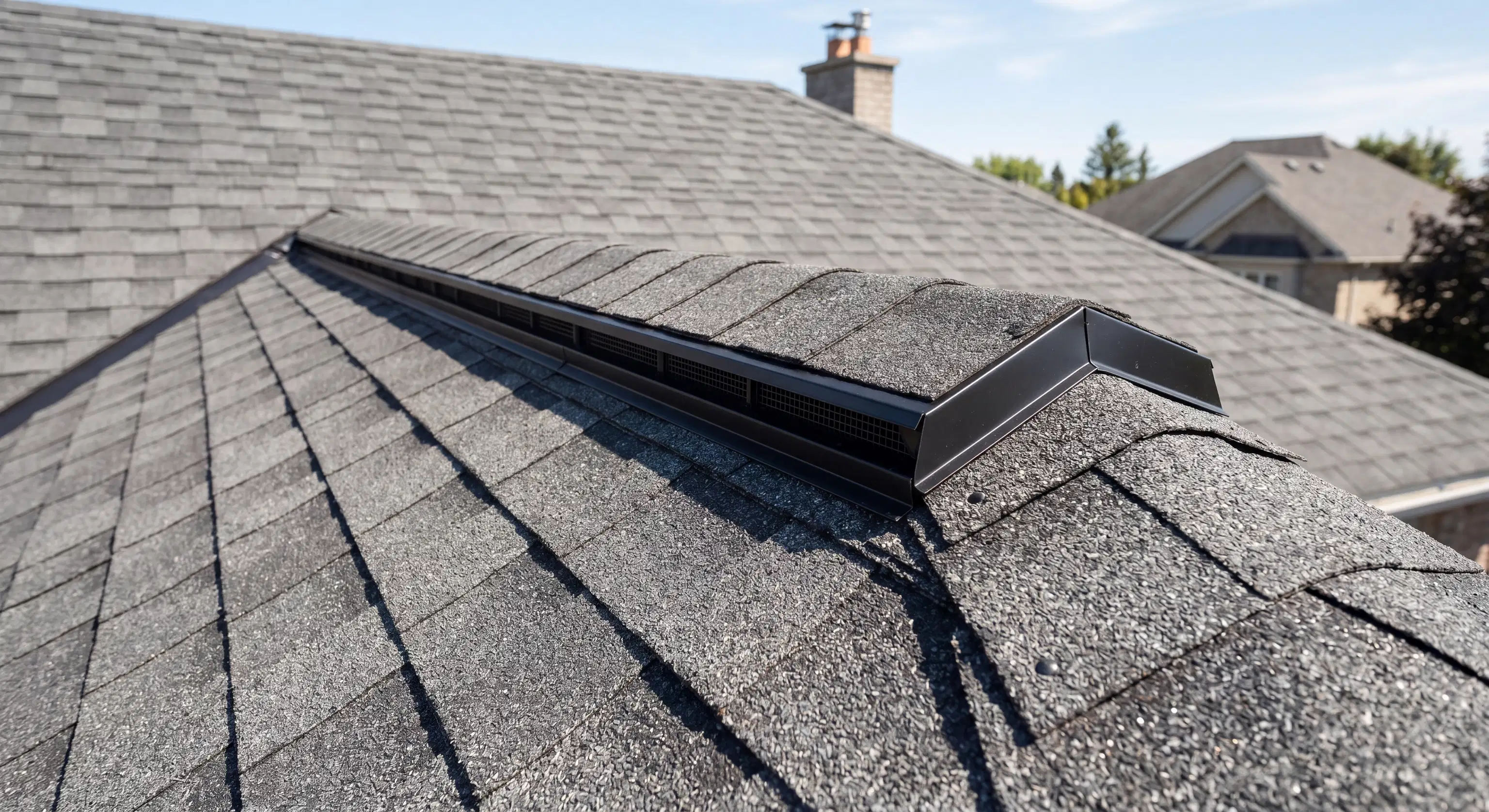
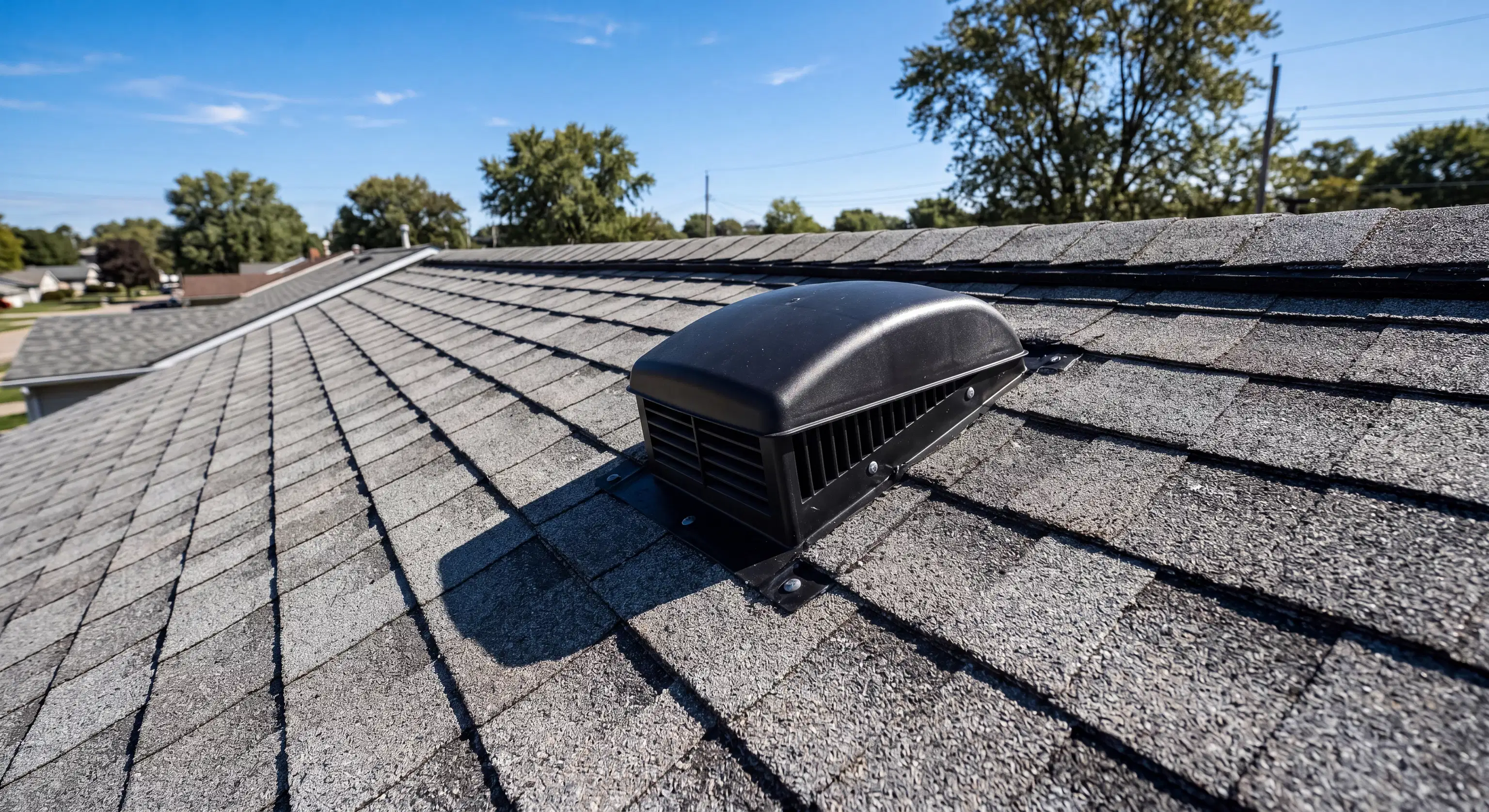
- Exhaust Vents: Positioned at or near the peak of the roof (like ridge vents or turbine vents), these allow the hot, moist air that has risen to the top of the attic to escape.
This natural process, known as convection, creates a cycle where cool air pushes the hot air out, keeping your attic temperature much closer to the outside temperature. This simple but effective system protects your shingles, prevents moisture buildup, and significantly reduces the heat load on your home.
Whether you need a new attic venting installation or repairs to an existing system, a professional assessment is the first step to ensuring your home is protected.
Is Your Home's Ventilation Working for You?
Many homeowners aren't aware they have a ventilation problem until significant damage has already occurred. Here are a few signs that your attic might not be breathing properly:
- Your upstairs rooms are noticeably hotter than the downstairs.
- Your energy bills seem unusually high during the summer.
- You notice frost on the underside of your roof sheathing in the winter.
- You see dark spots on your ceiling, indicating a potential leak or moisture issue.
- Your shingles look warped, cracked, or are losing granules prematurely.
If you notice any of these warning signs, it's a good idea to have your system inspected by a professional. A qualified roof repair technician can identify blockages, insufficient vent placement, or damage that could be costing you money and putting your home at risk.
Protect Your Home with SuperRoofs LLC Tri-Cities
Proper attic ventilation is one of the most important and cost-effective ways to protect your home, lower your energy costs, and extend the life of your roof. It’s a critical component of a healthy, durable roofing system that provides peace of mind for years to come.
If you're concerned about your home's ventilation or have noticed signs of heat-related roof damage, don't wait for the problem to get worse. The experienced team at SuperRoofs LLC Tri-Cities is here to help. We provide thorough inspections and expert attic venting services for homeowners throughout the Kingsport area. Contact us today to schedule your free estimate and let us help your home breathe easier this summer.