Say Goodbye to Ugly Roof Stains: A Homeowner's Guide to Preventing Black Algae Streaks
If you’ve driven through any neighborhood here in the Tri-Cities, you’ve probably seen them: those unsightly black streaks running down the sides of asphalt shingle roofs. For many homeowners, these stains are a frustrating eyesore that detracts from their home's curb appeal. You might think it’s just dirt or mold, but it’s actually a living organism—a type of algae called Gloeocapsa magma. And while it might seem like a small cosmetic issue, it’s a sign that your roof could be vulnerable.
At SuperRoofs LLC Tri-Cities, we believe a roof should do more than just keep the rain out; it should protect your investment and look great while doing it. We often get questions from folks in Kingsport about what causes these streaks and, more importantly, how to get rid of them for good. The good news is that modern roofing technology has a fantastic solution, and we’re here to walk you through it.
What Exactly Are Those Black Streaks?
Gloeocapsa magma is a type of blue-green algae that thrives in humid environments, and y'all know we get plenty of that here in East Tennessee. The algae spores are carried by the wind and can land on any roof. On older asphalt shingles, they found a perfect food source: the limestone filler that was commonly used as a weighting agent.
As the algae colonies grow, they develop a dark, hardened outer layer to protect themselves from the sun's UV rays. This is what creates the distinctive black streaks you see. While the algae itself doesn't eat through your shingles, it can cause problems over time:
- Moisture Retention: The dark streaks absorb more heat and can trap moisture against the shingle surface, which can accelerate the aging process of the granules that protect your roof.
- Reduced Curb Appeal: A stained roof can make a beautiful home look old and poorly maintained, potentially impacting its resale value. Home pride is important, and a clean roof is a big part of that.
- A Sign of Age: The presence of algae is often an indicator that a roof is getting older and may be made with materials that are less resistant to the elements.
For many homeowners, the biggest pain point is simply the look of it. You work hard to maintain your property, and seeing those streaks grow year after year can be incredibly frustrating.
The Best Defense: Modern Algae-Resistant Shingles
So, how do you stop this persistent algae? While cleaning is an option, it's often a temporary fix. The most effective, long-term solution is to prevent the algae from growing in the first place. This is where advancements in roofing materials have made a huge difference.
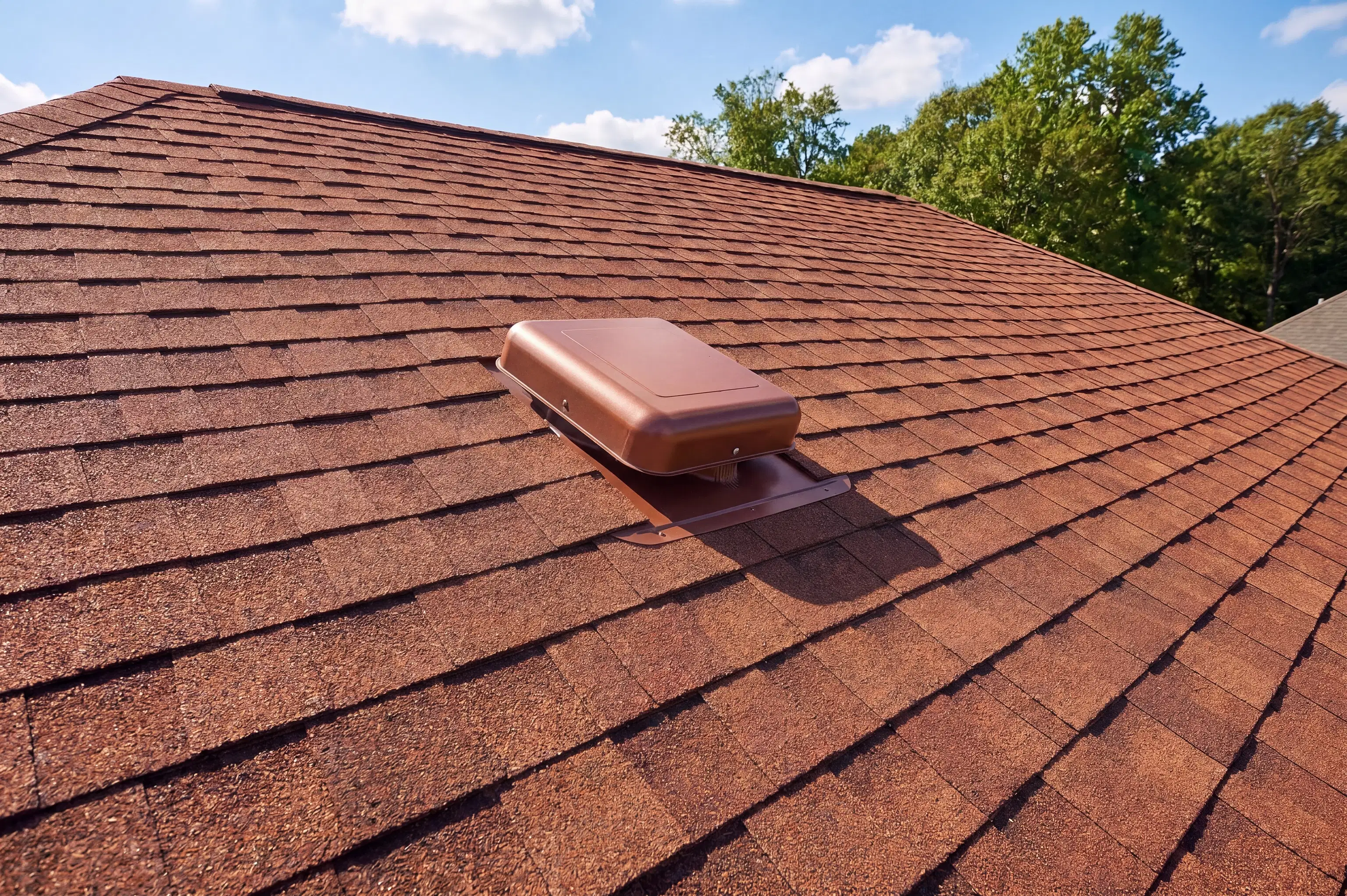
At SuperRoofs, we specialize in installing high-quality roofing systems that are designed to withstand our local climate. That’s why we are proud to be an Atlas shingle installer. Many Atlas shingles feature advanced StainProtect (or Scotchgard™ Protector) technology, which is one of the best defenses against algae growth. Here’s how it works:
These shingles have a blend of copper-containing granules mixed in with the standard granules. When it rains, a tiny amount of copper is released, washing down the roof. Copper is a natural biocide that prevents algae, moss, and fungus from taking hold. This protective barrier works continuously for years, keeping your roof looking clean and new.
Choosing an asphalt shingle installation with this built-in protection is a smart investment. It provides peace of mind, saves you from future cleaning costs, and ensures your home looks its best for the long haul, which aligns with the top priorities of homeowners: quality, durability, and long-term value.
What to Do If Your Roof Already Has Streaks
If you're currently dealing with a stained roof, you might be wondering about your options. It’s tempting to grab a pressure washer, but that can do more harm than good. High-pressure water can blast away the protective granules on your shingles, drastically shortening your roof's lifespan.
A gentle cleaning with a 50/50 mix of water and bleach or a dedicated roof cleaning solution is a safer method. However, this is often a temporary solution, as the algae spores will likely return.
This is a good time to assess the overall health of your roof. Ask yourself:
- How old is my roof? If it's approaching 15-20 years, the streaks might be a sign that it’s time for a replacement.
- Are there other signs of damage? Look for curling, cracking, or missing shingles. A few small issues might be handled by a roof repair technician, but widespread problems point to a larger issue.
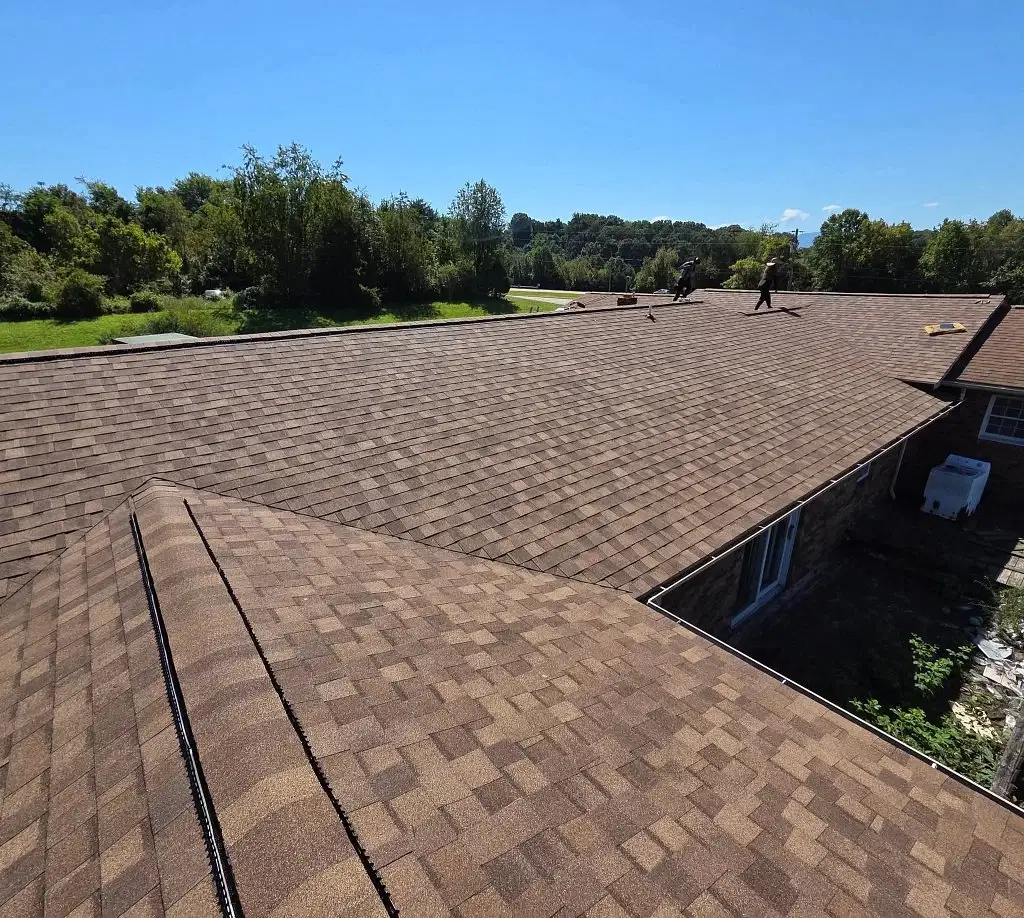
Often, investing in a full shingle replacement with modern, algae-resistant technology is more cost-effective in the long run than paying for repeated cleanings on an aging roof that will need to be replaced soon anyway.
Protect Your Home's Beauty and Value with SuperRoofs
Those black streaks on your roof aren't just an eyesore; they're a problem with a modern solution. By understanding what causes them, you can make an informed decision to protect your home's curb appeal and value for years to come. The best long-term strategy is to choose a roofing system designed to fight back against algae.
At SuperRoofs LLC Tri-Cities, we are committed to providing homeowners in Kingsport and the surrounding areas with durable, high-quality roofing solutions. Our experienced, in-house crews ensure every installation is done right, giving you the peace of mind you deserve.
If you're tired of looking at a stained roof or are considering an upgrade, let's talk. Contact us today to schedule a free, no-obligation inspection. We’ll assess the health of your roof and show you how a new Atlas roofing system can keep your home looking beautiful for decades.