Your Roof's Secret to a Long Life: Proper Attic Venting
As a homeowner, you know your roof is one of the most significant investments you'll make in protecting your property. You want it to last as long as possible, standing strong against everything from summer heat to winter ice. But what if we told you one of the biggest factors in your roof's longevity isn't the shingles themselves, but something you might not even see? We're talking about attic ventilation.
For homeowners here in the Kingsport area, a properly ventilated attic is the unsung hero of a healthy, durable roof. It's a system that works silently year-round to combat the two biggest enemies of your roofing materials: extreme heat and damaging moisture. In this guide, we'll explain why your attic needs to breathe, how to spot the signs of a problem, and what a balanced ventilation system looks like. Let's dive in.
Why Your Attic Needs to Breathe: A Tale of Two Seasons
A common misconception is that an attic is just for storage. In reality, it's a critical buffer zone between your living space and the outdoors. For it to function correctly, air needs to flow freely through it. A sealed-off attic traps air, leading to serious problems that can drastically shorten the life of your roof.
In the Summer: The sun beating down on your roof can turn your attic into an oven, with temperatures soaring to 150°F or higher. This trapped, super-heated air essentially bakes your asphalt shingles from the underside. This constant, extreme heat can cause shingles to curl, crack, and lose their protective granules prematurely. It also forces your air conditioning to work overtime to cool your home, leading to higher energy bills.
In the Winter: The opposite problem occurs. Warm, moist air from daily activities like cooking and showering rises from your living space into the colder attic. When this humid air hits the frigid underside of your roof deck, it condenses—creating water. This persistent moisture can lead to wood rot in your roof's framing, saturate your insulation (making it ineffective), and create the perfect environment for mold and mildew to grow. It can also contribute to the formation of destructive ice dams along your eaves.
Telltale Signs of Poor Attic Ventilation
How can you tell if your attic is struggling to breathe? You don't have to be a roofing expert to spot the warning signs. If you notice any of the following issues, it might be time for a professional inspection.
- Consistently High Energy Bills: If your HVAC system seems to be running constantly in the summer, a poorly ventilated attic could be a major culprit.
- Prematurely Aged Shingles: Look for shingles that are curling at the edges, cracking, or blistering, especially on a roof that isn't very old.
- Ice Dams in Winter: Thick ridges of ice forming along the edge of your roof are a classic sign that the roof deck is too warm, often due to poor ventilation and insulation.
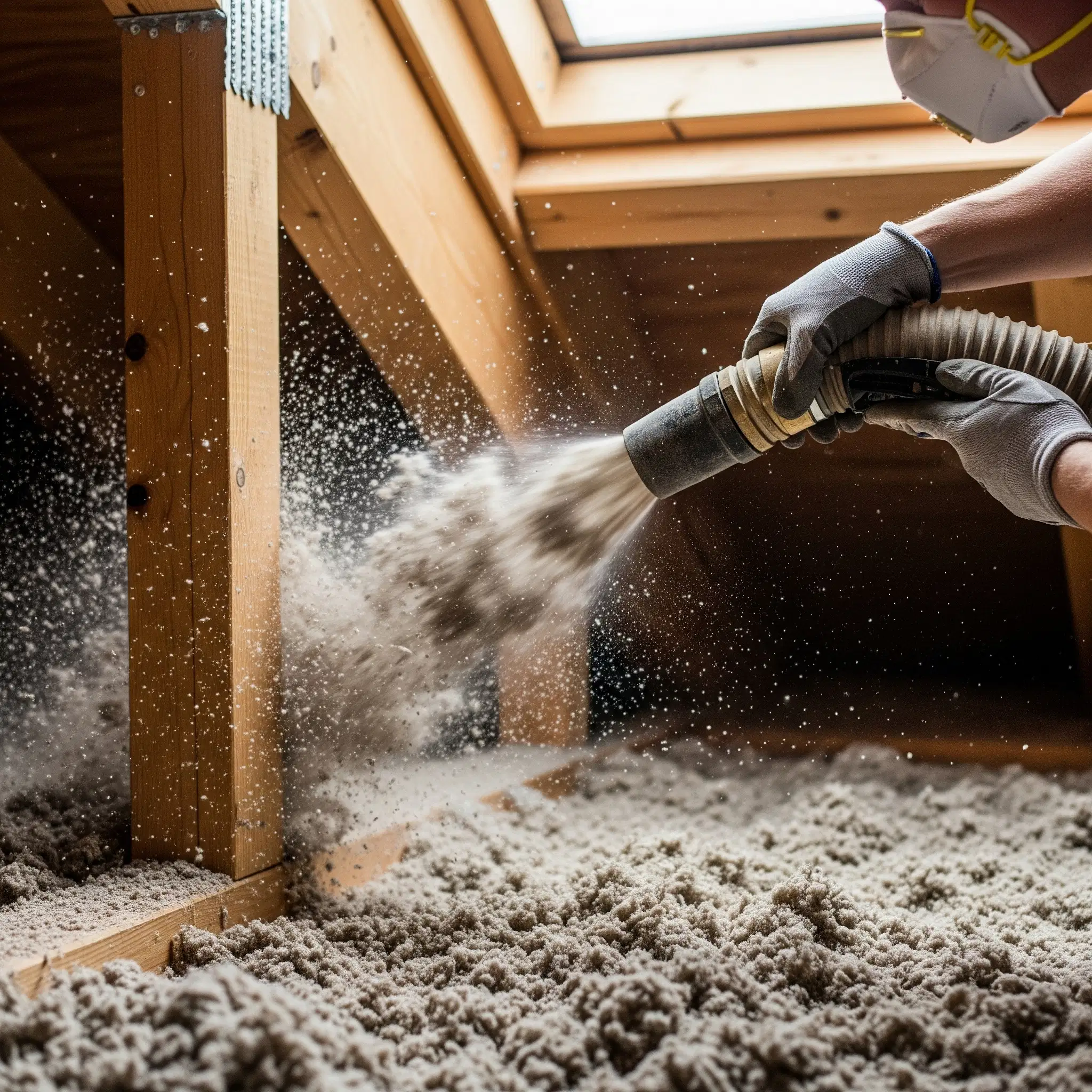
- Moisture in the Attic: On a cold day, carefully check your attic for signs of frost on the underside of the roof sheathing or damp, clumpy insulation. You might also notice a musty smell.
- Warped or Sagging Roof Deck: From inside the attic, look up at the roof sheathing. If you see areas that look wavy, warped, or are starting to sag, it's a serious red flag for long-term moisture damage.
Ignoring these symptoms can lead to more extensive and costly problems down the road, turning a simple ventilation fix into a major roof repair or even a full replacement.
The Solution: A Balanced and Effective System
Effective attic venting isn't just about installing a few vents and calling it a day. It requires a balanced system that creates a continuous, passive flow of air. This is achieved by combining two types of vents:
- Intake Vents: Located at the lowest part of the roof (typically in the soffits or eaves), these vents allow cool, dry air to enter the attic.
- Exhaust Vents: Located at or near the highest point of the roof (like ridge vents or turbine vents), these allow hot, moist air to escape.
This combination uses the natural power of convection—hot air rises—to pull fresh air in from below and push stale air out from the top. The key is balance. You need the right amount of intake and exhaust ventilation for your attic's specific size and your roof's design. An improperly balanced system can be just as ineffective as no system at all.
Our team is experienced in designing and performing attic venting installation that is perfectly tailored to the unique architecture of homes in our region, ensuring your roof system functions exactly as it should.
Protect Your Investment with SuperRoofs
Your roof is too important to leave its lifespan to chance. Proper attic ventilation is a fundamental component of a healthy roofing system that protects your shingles, lowers your energy costs, and prevents serious structural damage. It ensures you get the maximum value and durability out of your roof for years to come.
If you've noticed any of the warning signs we've discussed, or if you're simply unsure about the state of your attic's ventilation, don't wait for a small issue to become a big problem. The team at SuperRoofs LLC Tri-Cities is here to help. We provide thorough inspections and expert solutions for homeowners throughout Kingsport and the surrounding communities. Contact us today to schedule a free, no-obligation assessment and let us help y'all protect your home from the top down.