 Super
SuperRoof & Attic Ventilation: Why It Matters (and Signs Yours Is Poor)
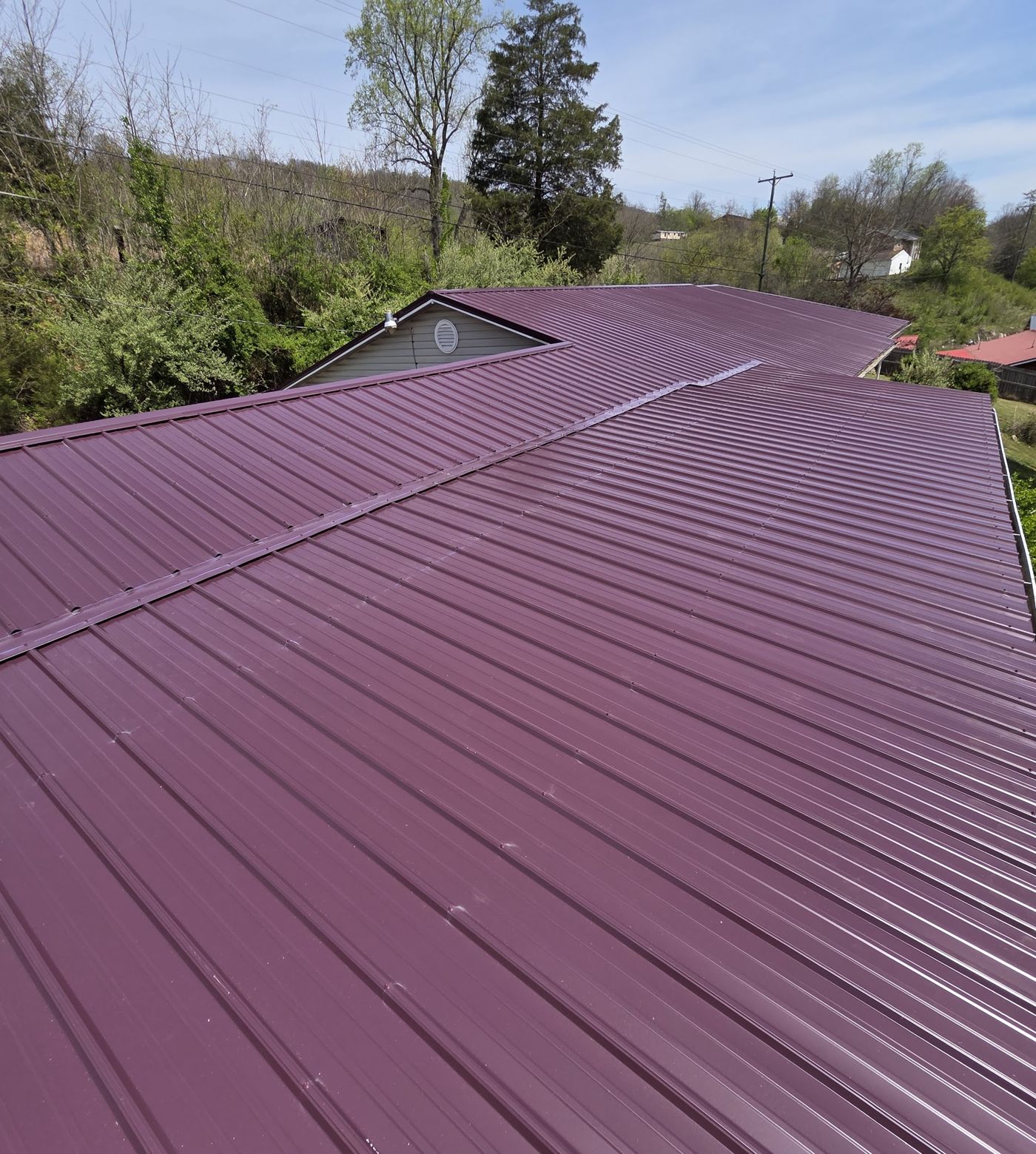
Most homeowners in Bristol, Johnson City, Kingsport, and Elizabethton think about their roof in terms of shingles and flashing. But one of the most overlooked parts of a healthy roof system isn't visible from the curb at all: attic ventilation. Poor roof ventilation quietly shortens shingle life, drives up cooling and heating bills, and can lead to moisture and mold problems in your attic. Here's what proper ventilation looks like, why it matters so much in Northeast Tennessee's humid climate, and the warning signs that tell you your attic isn't breathing the way it should.
How Roof Ventilation Actually Works
A healthy attic ventilation system relies on a simple principle: intake low, exhaust high. Cooler outside air enters the attic through soffit vents at the eaves, and warm, moist air escapes through exhaust vents near the peak of the roof, most commonly a continuous ridge vent. This constant airflow keeps the attic close to outdoor temperature and humidity, rather than letting it become a stagnant, superheated, or damp space.
The key word is balance. Intake and exhaust need to work together in roughly equal proportion. If you have plenty of soffit vents but no ridge vent (or the ridge vent is blocked by insulation, paint, or debris), hot air has nowhere to go. If you have a ridge vent but the soffits are painted shut, covered by insulation, or nonexistent, the exhaust vent has no fresh air to pull from and can actually start pulling conditioned air out of your living space instead. Either scenario defeats the purpose of the system.
How Much Ventilation Does Your Attic Actually Need?
Most articles stop at "make sure it's balanced" and never give you a number. There is a number, and it's in the building code Tennessee and Virginia both build from — the International Residential Code, section R806.2.
The baseline rule is 1 square foot of net free vent area for every 150 square feet of attic floor — written as 1:150. That ratio can be cut in half, to 1:300, if either of two things is true:
- At least 40% and no more than 50% of the required venting is in the upper portion of the attic (ridge or high gable vents), with the rest in the eaves as intake — which is exactly what a proper soffit-to-ridge system does; or
- A Class I or II vapor retarder is installed on the warm-in-winter side of the ceiling.
The phrase doing the work there is net free area — that's the actual open area for air to move through, not the size of the vent. A vent's louvers, insect screen and baffles eat a big chunk of the opening, which is why the manufacturer stamps an NFA figure (usually in square inches) on the product. Use that number, not the hole you cut.
A Worked Example
Say you have a 1,800 sq ft attic floor — a fairly typical Tri-Cities ranch.
- At 1:150: 1,800 ÷ 150 = 12 sq ft of net free area, or 1,728 square inches.
- At 1:300 (balanced soffit-and-ridge, which is how we build them): 1,800 ÷ 300 = 6 sq ft, or 864 square inches.
- Split that in half: about 432 sq in of exhaust at the ridge and 432 sq in of intake at the soffits.
- In real parts: a common ridge vent runs around 18 sq in of NFA per linear foot, so 432 ÷ 18 = about 24 feet of ridge vent. A typical 8" continuous soffit vent runs about 9 sq in per foot, so you'd need roughly 48 feet of soffit venting to feed it.
Why It Matters More in East Tennessee
Our region sees a real mix of conditions that make attic ventilation especially important. Humid summers push moisture-laden air into attics, hot afternoons in Johnson City and Kingsport can push unventilated attic temperatures well above the outside air temperature, and winter cold snaps around Elizabethton and Bristol create the temperature swings that cause condensation inside a poorly vented attic. A ventilation system that's sized and balanced correctly helps your roof and home handle all of it.
Heat Buildup and Higher Energy Bills
An attic that can't vent hot air acts like an oven sitting directly above your living space. That heat radiates down through your ceiling insulation, forcing your air conditioner to work harder and run longer during our hot, humid summers. Proper intake and exhaust airflow carries that heat out before it builds up, which takes real strain off your HVAC system and helps keep energy bills in check.
Moisture and Mold
Warm, moist air rises from your living space into the attic through small gaps, light fixtures, and bath fan ducts. In a well-ventilated attic, that moisture is carried outside before it can cause harm. In a poorly ventilated one, it condenses on the roof deck and rafters, especially during temperature swings. Over time, that trapped moisture can lead to mold growth, wood rot, and a musty smell that works its way into the home below.
Ice Dams
While Northeast Tennessee doesn't see the brutal winters of the upper Midwest, we do get enough cold snaps for ice dams to form on poorly vented roofs. When attic heat escapes unevenly and warms the roof deck, snow melts, runs down to the colder eaves, and refreezes into a dam that can back water up under your shingles. Balanced ventilation keeps the entire roof deck at a more even, colder temperature, which helps prevent this cycle.
Shortened Shingle Life
Shingle manufacturers, including Atlas, design their products with the expectation that the roof underneath them is properly ventilated. Excess attic heat bakes shingles from underneath, accelerating the breakdown of asphalt and granules and shortening the effective life of an otherwise well-installed roof replacement. Poor ventilation can also void portions of a manufacturer's warranty, so it's worth getting right the first time.
Signs Your Attic Ventilation Is Poor
Some warning signs are visible from inside the attic, others show up on the roof itself or even inside your living space. Watch for:
- An attic that feels noticeably hotter than expected on a summer afternoon
- Higher-than-usual summer cooling bills compared to similar homes
- Visible moisture, water stains, or condensation on the roof deck or rafters
- A musty or damp smell in the attic or upper floors
- Mold or mildew spots on the underside of the roof sheathing
- Rusty nail heads poking through the roof deck (a sign of trapped humidity)
- Ice dams or icicles forming along the eaves in winter
- Curling, cracking, or prematurely aging shingles
- Soffit vents that are painted over, blocked by insulation, or missing entirely
- No visible ridge vent or exhaust vent at the roof's peak
If any of these sound familiar, it's worth having your attic and roof looked at before small issues turn into roof repair work or, worse, premature roof failure.
Getting Your Ventilation Balanced
Fixing poor attic ventilation usually starts with an honest look at what's already there. In many older homes throughout the Tri-Cities, soffit vents were never installed correctly, or insulation has drifted over time and blocked the intake path. Other homes have an exhaust vent that's undersized for the attic space above it. The fix is often straightforward: clearing blocked soffits, adding intake vents where needed, and installing or upgrading a ridge vent to create the right balance of intake and exhaust for the size of the attic.
This is exactly the kind of detail we check on every roof we work on, whether we're handling a full roof replacement or a targeted roof repair. If you're not sure how old your current roof is or whether it's nearing the end of its life, our article on how long a roof actually lasts is a good place to start. And if you're located in the Kingsport area, you can see more about our local work on our Kingsport roofing page — or, if the venting is getting fixed as part of a full tear-off, our Kingsport, TN roof replacement page covers what's in the scope. We also handle gutters and venting as its own job when the roof itself is fine.
Concerned your attic isn't venting the way it should? SuperRoofs offers free inspections and free estimates across Bristol, Johnson City, Kingsport, and Elizabethton. Call us at (423) 218-9144 or request a free quote and we'll take a look.
Need a Roof You Can Trust?
Free estimates across the Tri-Cities. Call or request a quote — we respond fast.