 Super
SuperCommercial & Flat Roofing
Low-slope roofs fail at the seams, the flashings and the drains — not in the middle. We install and repair TPO single-ply and self-adhered SBS modified bitumen, plus commercial metal.
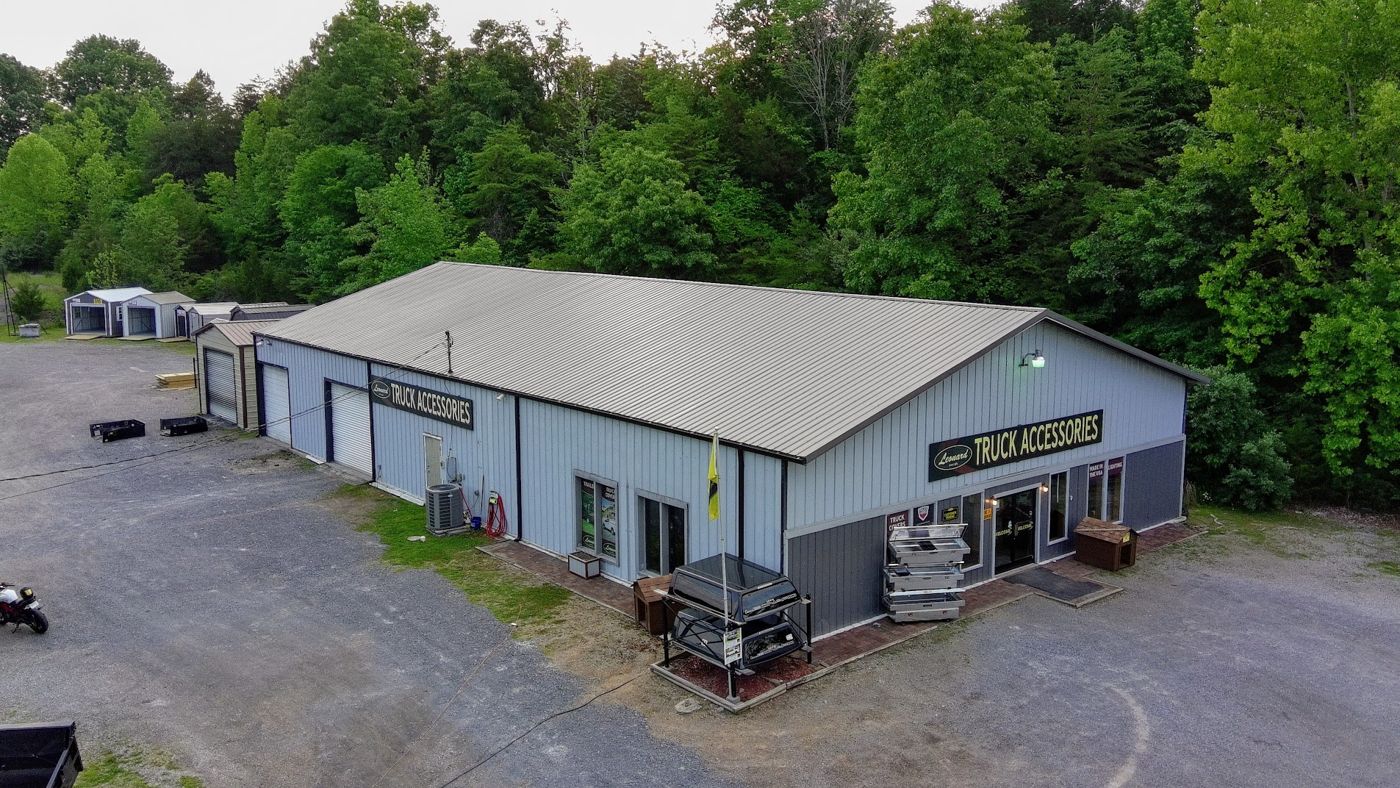
Your building's roof protects inventory, equipment, tenants and everyone working underneath it. SuperRoofs installs and repairs low-slope and commercial roofing across the Tri-Cities — storefronts, offices, shops, churches, and the flat porches and additions on plenty of houses. Below is a straight explanation of the two systems we install most, because they get confused constantly and they are not the same thing.
TPO single-ply membrane
TPO is a thermoplastic polyolefin sheet, usually white, mechanically fastened or adhered over insulation and then heat-welded at the seams with hot air. The weld fuses the sheets into one continuous membrane, which is why seam quality is everything on a TPO roof — a weld is either right or it is a future leak, and a good installer probe-tests them.
Where it earns its place: large, relatively open roofs; buildings with a real summer cooling load, since the white surface reflects rather than absorbs; and roofs with rooftop equipment where a clean, walkable field surface matters. Where it struggles: heavily cut-up roofs with dozens of penetrations, parapets and odd geometry, where every detail becomes a hand-welded flashing.
GAF Liberty — self-adhered SBS modified bitumen
Modified bitumen is a different family entirely. SBS stands for styrene-butadiene-styrene, a rubber modifier blended into asphalt to make it flexible and able to move without cracking. GAF Liberty is a self-adhered SBS modified bitumen system: a base sheet and a cap sheet with factory-applied adhesive, rolled out and bonded to the deck and to each other. No torch. No hot kettle. No open flame anywhere on your building.
Where it earns its place: smaller and more complicated roofs, roofs with a lot of penetrations and wall flashings, occupied space directly below, and any building where fire watch and fumes are a problem. The multi-ply build-up is also forgiving — it puts two layers of waterproofing between the weather and your deck. It is a genuinely different product from TPO, chosen for different reasons, and anyone describing Liberty as a kind of TPO has not read the data sheet.
Commercial metal
On sloped commercial roofs — agricultural buildings, shops, workshops, churches with a real pitch — standing seam and exposed-fastener steel do the same job they do on houses, at a larger scale. The same trade-offs apply, and we cover them on the metal roofing page.
Why low-slope roofs actually fail
Almost never in the middle of the field. The failures we get called out to are, in order:
- Seams and laps — cold-welded TPO seams that never fully fused, or mod-bit laps rolled out onto a dusty or damp deck so the adhesive never grabbed.
- Flashings and terminations — where the membrane turns up a parapet, wall or curb. Membrane needs to be mechanically terminated and counterflashed, not just stuck up and caulked.
- Penetrations — pipes, curbs, conduit, condenser stands and the through-roof additions somebody made without telling the roofer.
- Drains and scuppers — blocked, or set slightly high so water never fully clears.
- Ponding — standing water more than 48 hours after rain means the fall is wrong or the deck has deflected. It ages the membrane, adds real structural weight, and voids some manufacturer warranties.
- Foot traffic — HVAC technicians walking the same path to the same unit for ten years. Walkway pads cost very little compared with the repair.
What a repair or replacement looks like
We start by walking the roof and photographing what we find, then give you a written scope that names the system and the details rather than a single line saying 'repair roof'. On a repair, we cut test areas where we suspect saturated insulation, because covering wet insulation with new membrane just seals the problem in. On a replacement, we get the tear-off, the insulation and the new membrane dried in the same day wherever the weather and the roof size allow it.
We plan the work around your operation: access routes, deliveries, customer entrances and parking stay usable, and we keep the site clean and safe daily rather than at the end of the job. Neither system we install needs a torch or a kettle, which removes the fire-watch requirement and the fumes that come with older built-up methods.
Cost and timeline
Low-slope work is priced per square — 100 square feet — but the range is much wider than on a shingle roof because the insulation build-up, the deck type, the number of penetrations and the tear-off all vary enormously between buildings. We do not publish a per-square number for commercial work, because a figure that broad would be useless to you and misleading. What we will do is walk your roof for free, photograph the failures, and give you a written scope and price you can put in front of a landlord, a board or an accountant.
Who you are dealing with
SuperRoofs LLC, Bristol, TN 37620, in business since 20 June 2024, licensed and insured. We have been BBB Accredited with an A rating since 19 February 2025 — you can check the BBB profile (opens in a new tab) independently. We work across Sullivan, Washington and Carter counties in Tennessee and Washington County in Virginia.
Commercial and residential work nearby
Get a Free Commercial Roof Assessment
We walk it, photograph it, and give you a written scope you can act on.
We also serve
Commercial and flat-roof work across the rest of the Tri-Cities.