 Super
SuperIce Dams in Tennessee Winters: Causes, Prevention & Removal
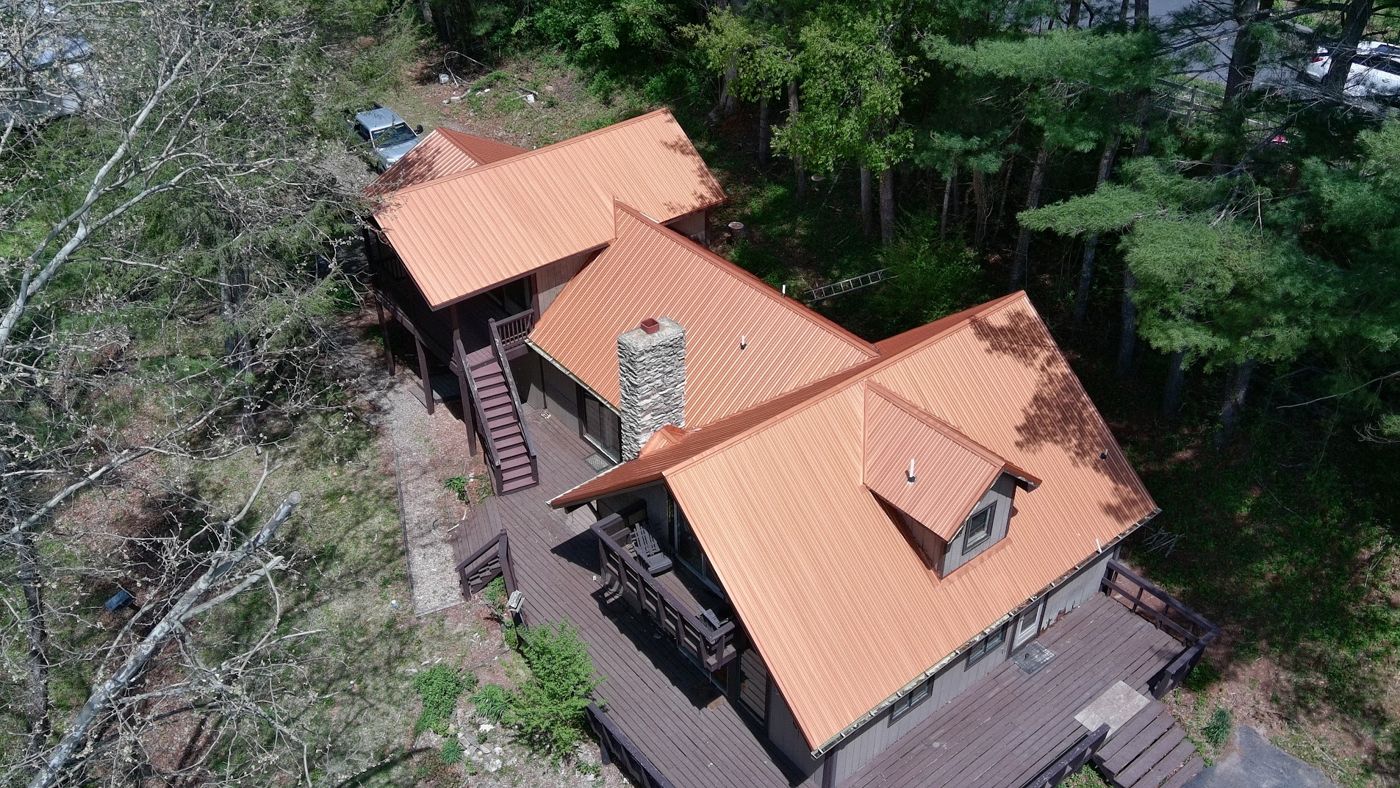
Every few winters, a hard cold snap rolls through the Tri-Cities, drops a few inches of snow, and then sits there for days. That's when the phone starts ringing — homeowners in Kingsport, Johnson City, Bristol, and Elizabethton with water spots spreading across a bedroom ceiling and no idea where the leak is coming from. More often than not, the culprit is an ice dam: a ridge of ice at the edge of the roof that traps melting snow and forces it back up under your shingles.
Tennessee gets a reputation for mild winters, and most of the time that's fair. But ice dams don't need a Minnesota blizzard to form — they need snow on the roof and a stretch of cold, and we get plenty of both. Here's how they work, why they cause so much damage, and what actually stops them.
What an ice dam is and how it forms
An ice dam is a chunk of ice that builds up along the eaves — the lowest, coldest edge of your roof, usually right over the gutters. It forms through a simple but destructive cycle:
- Heat escapes into the attic — warm air from your living space leaks up into a poorly insulated or under-ventilated attic and warms the underside of the roof deck.
- Snow melts from below — that heat melts the bottom layer of snow sitting on the upper roof, even while the air outside stays freezing.
- The water refreezes at the eaves — the meltwater trickles down to the overhang, where there's no warm attic beneath it. There it hits truly cold roof and freezes again, building a ridge of ice.
- Water backs up under the shingles — as the dam grows, it pools the next round of meltwater behind it. Shingles shed water; they don't seal against standing water, so it seeps under them and finds its way inside.
The root cause isn't the weather — it's a warm roof deck. That's why the real fix lives in your attic, not on your shingles.
Why even mild-winter Tennessee roofs get them
You don't need weeks of snow to grow an ice dam. A single storm that leaves a few inches on the roof, followed by daytime temperatures that never climb above freezing, is enough. Northeast Tennessee's elevation and our cold clear nights give us exactly those conditions several times most winters.
Older Tri-Cities homes are especially prone to it. Many were built with thin attic insulation and little to no soffit-and-ridge ventilation, so heat pools against the roof deck and melts snow unevenly — the perfect ice-dam recipe. If your home feels drafty and your upstairs is hard to heat, that same escaping warmth is what's feeding the ice at your eaves.
The damage ice dams cause
By the time you see a stain on the ceiling, water has usually been working its way in for a while. Ice dams can lead to:
- Roof leaks — water pushed under the shingles soaks the underlayment and drips into the attic.
- Rotted decking — repeated soaking softens and rots the plywood deck your shingles are nailed to.
- Interior staining and mold — ceilings, insulation, and drywall get wet, leaving stains and inviting mold.
- Gutter and fascia damage — the sheer weight of ice can tear gutters loose and rot the fascia boards behind them.
How to prevent ice dams
The good news: ice dams are largely preventable, and the fixes make your whole house more comfortable. In order of what matters most:
- Attic insulation and ventilation — this is the real fix. Sealing air leaks and adding insulation keeps heat inside where you want it, and proper soffit-to-ridge airflow keeps the roof deck cold and even. Our roof ventilation guide explains how a balanced system works.
- Ice-and-water shield at the eaves — a self-sealing membrane installed along the roof edge during a replacement blocks backed-up water even if a dam forms. There's a specific measurement for this, covered below.
- Clean gutters — clogged gutters hold water and debris that freeze and give a dam a head start. Clearing them before winter is cheap insurance.
How far the ice barrier is supposed to go
Here's the detail almost nobody gets told, and it's the difference between a membrane that works and one that's decorative. The International Residential Code — which both Tennessee and Virginia build from — spells out the ice barrier in section R905.1.2: where it's required, the membrane has to run from the lowest edge of the roof up to a point at least 24 inches inside the exterior wall line of the building.
Read that again, because it's easy to skim past. The measurement isn't "two feet up from the gutter." It's measured to a point two feet past the inside face of your exterior wall, measured along the slope. On a house with a foot of overhang and a shallow pitch, that's a single 36-inch course of membrane and you're fine. On a steeper roof with a deep overhang, one course doesn't get you there and you need a second — which is exactly the corner that gets cut on a cheap job.
The code ties the requirement to areas with a history of ice forming at the eaves, and that's a local determination, not a blanket national rule. Northeast Tennessee isn't Vermont, and plenty of roofs here have gone decades without one. But we've pulled enough soaked decking off Tri-Cities eaves to have made up our minds: ice-and-water shield at every eave and every valley, run to the full R905.1.2 depth, is standard on every roof we replace. It's a small share of the material cost and it covers the exact failure that costs a homeowner a ceiling.
Safe removal — and what not to do
If a dam has already formed and you're getting water inside, resist the urge to climb up and attack it. A roof rake used from the ground to pull snow off the lower few feet of roof is the safest thing a homeowner can do. Calcium-chloride ice-melt placed in the trouble area can open a channel for water to drain.
How a proper replacement prevents them for good
When we replace a roof, we build ice-dam resistance into it: ice-and-water shield along every eave and valley, and a balanced ventilation system that keeps the deck cold from soffit to ridge. Done right, that combination stops the melt-refreeze cycle before it starts. If you're already seeing stains, our roof repair team can trace the leak and stop the damage — and if your roof is aging, the signs you need a new roof are worth knowing before the next cold snap.
SuperRoofs installs roofs year-round, all winter long, right here in the Tri-Cities. We're BBB A-rated with 5.0 stars from 59 Google reviews, and we'd rather find a ventilation problem now than after it's soaked your ceiling. We work across Sullivan, Washington and Carter counties — see our Elizabethton, TN page, or if the eaves are already leaking, our Johnson City, TN roof repair page. If you're worried about ice dams or winter leaks, call us at (423) 218-9144 for a free inspection before winter sets in — we'll check your attic, your eaves, and your gutters, and tell you honestly where you stand.
Need a Roof You Can Trust?
Free estimates across the Tri-Cities. Call or request a quote — we respond fast.