 Super
SuperRoof Storm Damage: What to Do in the First 48 Hours
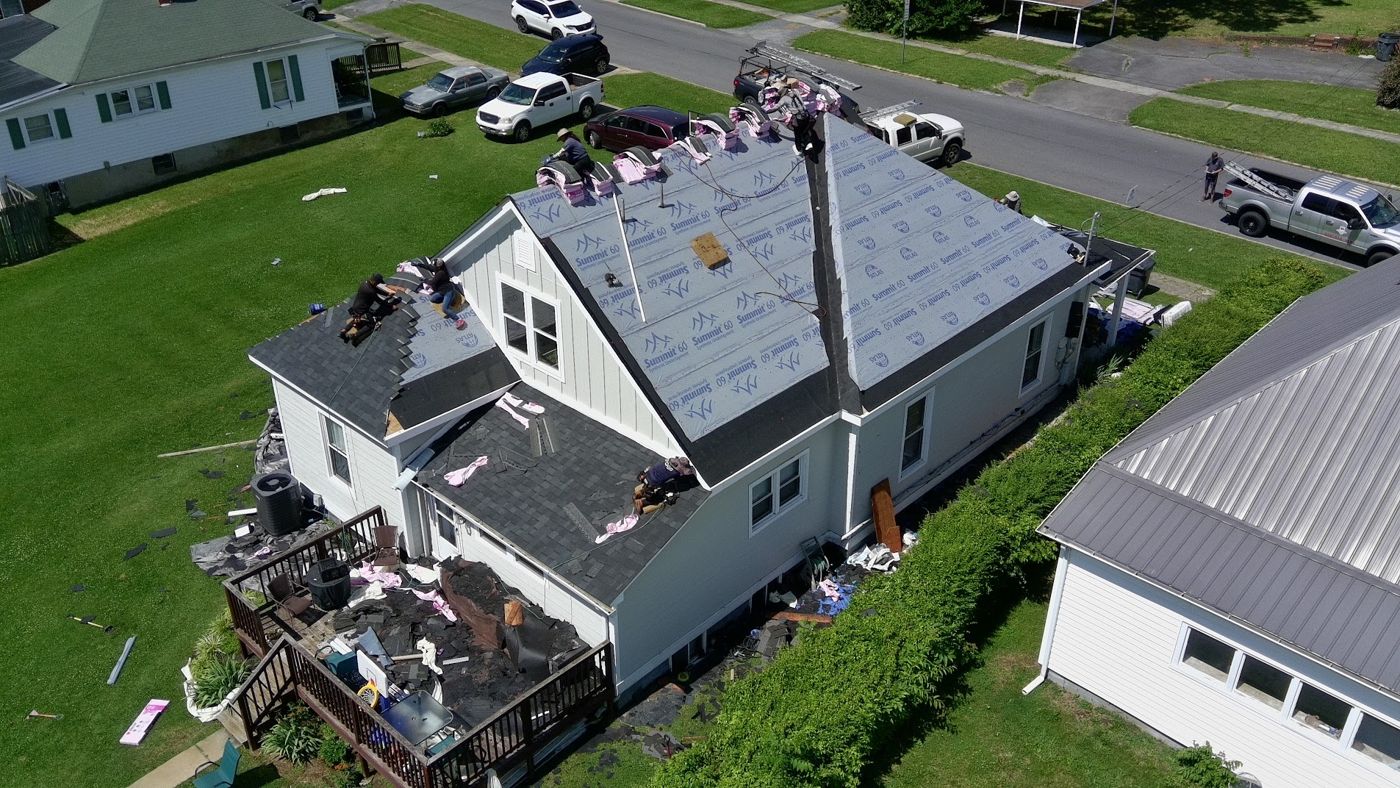
A hard thunderstorm or hailstorm rolls through the Tri-Cities and once the wind dies down, you're standing in the yard looking up at your roof wondering: how bad is it, and what do I do first? Roof storm damage isn't always obvious from a quick glance, and the wrong first move (like climbing up there yourself) can turn a bad day into a genuinely dangerous one. Here's a calm, step-by-step guide to the first 48 hours — the safety call, the damage you can spot from the ground, the photos you need to take before anything gets touched, and how to stop the bleeding until a roofer can get there. This page is about the roof and the clock. If what you actually need is the money side — what a policy covers, ACV versus RCV, deductibles and deadlines — that's a different job, and it's all in does insurance cover a roof replacement.
Step 1: Stay Safe — Don't Get on the Roof
The single most important rule after a storm is also the simplest: stay off the roof. Wet, wind-loosened shingles are slick and unstable, and a roof that took a hit from hail or falling limbs may have hidden weak spots that won't hold your weight. Downed power lines, unstable trees, and debris in the yard add more risk. Leave the climbing to a professional with the right harness, ladder setup, and experience reading storm damage. Your job in the first hour is simply to check on family, pets, and any immediate hazards around the house.
Step 2: Look for Signs of Damage From the Ground
You can learn a lot without ever leaving the ground. Walk the perimeter of your house and look up and around for these common warning signs:
- Missing, cracked, curled, or visibly dented shingles
- Granules from asphalt shingles collecting in gutters or downspout splash areas, or washed into flower beds
- Dented gutters, downspouts, roof vents, flashing, or a metal roof surface (a classic sign of hail)
- Dented or damaged HVAC units, siding, window screens, mailboxes, or outdoor furniture (hail hits everything at the same intensity, so damage elsewhere is a strong clue about your roof)
- Tree limbs, branches, or other debris on or near the roofline
- Sagging areas, an uneven roofline, or visible daylight in the attic
- New water stains, drips, or damp spots on ceilings and interior walls
Binoculars can help you get a better look at the roof surface without leaving the ground. If you see any of these signs, or you're just not sure, it's worth getting a trained set of eyes on the roof.
Step 3: Document Everything With Photos and Dates
Before any repairs happen, document what you're seeing. Take clear photos and short videos of everything: damaged shingles, dented gutters and vents, debris in the yard, and any interior leaks or stains. Note the date of the storm and the date you noticed the damage. Keep any local news reports, National Weather Service storm reports, or hail-size estimates for your area — East Tennessee sees its share of strong spring and summer thunderstorm cells moving through the Tri-Cities — Bristol and Kingsport in Sullivan County, Johnson City in Washington County, Elizabethton in Carter County — and severe weather records can help support a claim later. This documentation becomes important evidence if you file an insurance claim, and it gives your roofer a clear starting point before they even arrive.
Step 4: Take Temporary Measures to Prevent Further Damage
If you have an active leak, missing shingles, or an exposed section of roof deck, water and further weather can make the damage significantly worse in just a day or two — especially if more rain is in the forecast. This is where professional emergency tarping matters. A properly installed tarp, secured by someone experienced in storm damage repair, protects the exposed area without creating new problems like additional nail holes or wind that rips the tarp loose and does more harm than good. Avoid DIY tarping if you can help it; a poorly secured tarp can blow off in the next round of wind and leave you right back where you started, or worse.
Step 5: Call a Reputable Local Roofer for a Free Inspection
Once things are stabilized, get a thorough inspection from a local, licensed roofing contractor who knows what East Tennessee storms and hail actually do to a roof. A good inspection covers the shingles, flashing, vents, gutters, and decking, and it should come with straightforward answers about what's damaged, what's cosmetic, and what needs repair versus replacement. SuperRoofs offers free estimates and inspections, is licensed and insured, and backs its work with a 10-year workmanship warranty. If you're in Bristol or the surrounding area, you can learn more about our Bristol, TN roofing services or start with a general roof repair inspection.
A word of caution: after major storms, it's common for out-of-town "storm chasers" to go door-to-door offering fast, cheap roof inspections or pressuring homeowners to sign contracts on the spot. Be cautious of anyone who won't provide local references, a physical business address, or proof of licensing and insurance. A reputable local roofer will give you time to think it over and won't pressure you into a same-day signature.
Step 6: Understand the Insurance Claim Basics
Whether storm or hail damage is covered, and to what extent, depends entirely on your specific homeowner's insurance policy — every policy is different, and only your insurer can tell you exactly what's covered, what your deductible is, and how depreciation or age of the roof factors in. That said, a few general basics apply to most claims:
- Contact your insurance company as soon as you've documented the damage; most policies have a window for reporting storm damage
- An adjuster will typically be sent to inspect the roof and the rest of the property
- Having your own contractor's inspection report and photos on hand helps make sure nothing gets missed or underestimated
- Ask your insurer directly about your deductible, coverage limits, and how they handle depreciation on an older roof
- Pay your deductible. In both Tennessee and Virginia it is illegal for a contractor to waive, rebate or absorb it — anyone offering to is proposing to inflate your claim, which is insurance fraud with your name on it
For the full picture on coverage, ACV vs. RCV, and the "Suit Against Us" deadline hiding in your policy, see does insurance cover a roof replacement. What we do here is narrow and worth being clear about: we document the damage with dated photos and a written scope, and we hand it to you to give your insurer. We don't negotiate, adjust or settle claims — that's between you and your insurance company.
Don't Wait on Storm Damage
Roof storm damage rarely gets better on its own, and a delay of a few weeks can turn a covered repair into a bigger, more expensive problem. If your roof took a hit from a recent storm or hailstorm anywhere across Sullivan, Washington and Carter counties, SuperRoofs offers fast, free storm-damage inspections and emergency response when you need it. See what that looks like on our Bristol, TN storm damage page, or our Bluff City, TN page if you're down that way. Call (423) 218-9144 or request a free quote today.
Need a Roof You Can Trust?
Free estimates across the Tri-Cities. Call or request a quote — we respond fast.