 Super
SuperStorm and Hail Damage in Johnson City, Tennessee
Wind here does not behave like wind on flat ground, and hail here does not fall evenly. Both are reasons to have somebody actually look rather than guess from the driveway.
You are inside a Special Wind Region
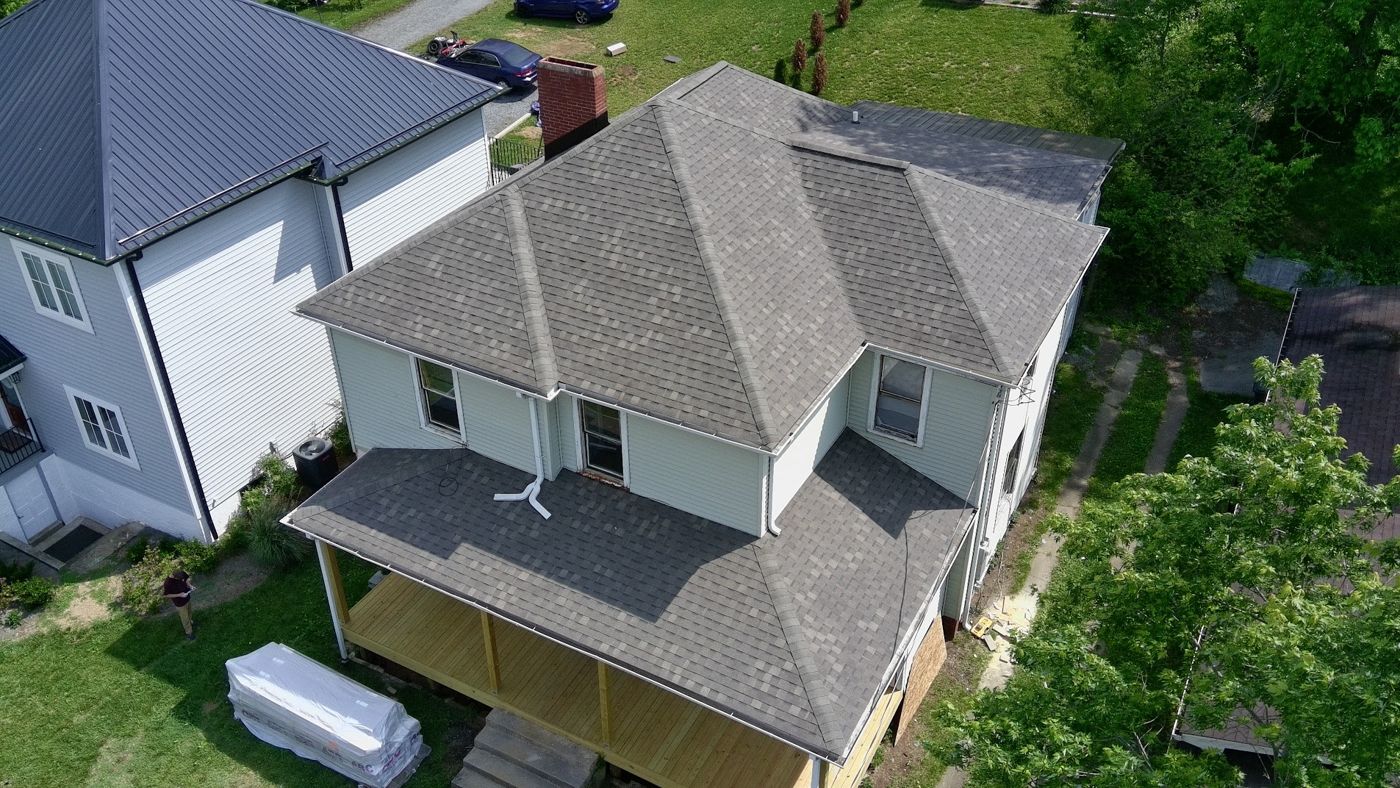
This is on a map, not in a sales pitch. ASCE 7-16 — the wind and snow standard the building code leans on — marks certain areas as Special Wind Regions, meaning the ordinary mapped wind speed is not treated as reliable there because the terrain does things a national map cannot capture. Johnson City and Elizabethton are inside one. Bristol and Kingsport are not. It is consistent with what we find on roofs here: storm failures start at the rake, the ridge and the first course above the eave far more often than in the middle of the roof.
Hail season, and how narrow it is
On hail, the Weather Service office at Morristown puts the peak in May, with damaging straight-line wind taking over in June and again in November. But the swath of any individual storm is narrow. It is entirely normal for one side of Johnson City to be peppered and the other side to get rain, so neither "the neighborhood got hit" nor "nobody near me got anything" tells you what is on your roof.
What a proper inspection produces
Photographs of every hail strike with something for scale, of creased or lifted shingles, of damaged vents and pipe boots, and of the soft metals — gutters, downspouts, aluminum trim — because dents there are often the clearest evidence that damaging hail actually fell here. Plus a written summary you can hand to your carrier. All free, and it ends with a straight answer, including "there is nothing here, do not file."
Insurance, without the games
You file the claim. We meet the adjuster on the roof so the scope reflects the whole roof rather than the part visible from a ladder, and we handle a supplement if something was missed. We do not file on your behalf, we do not ask you to sign your claim over to us, and we do not offer to absorb your deductible — that last one is illegal in Tennessee and it tells you everything about a company that offers it. How claims actually work covers ACV versus RCV, which is the part most people wish they had understood first.
Before we get there
Photograph from the ground, note the date, get a bucket under any active drip, and stay off the roof yourself — a wet or hail-scattered roof is genuinely dangerous. Our first 48 hours guide has the rest. If it is coming in badly we will get a tarp on it.
The rest of what we do in Johnson City
Same work, next town over
- Storm & Hail Damage Repair in Kingsport, TN — the same systems track through Sullivan County
- Roofing in Elizabethton, TN — storm work over in Carter County
Back to everything we do in Johnson City, TN, or read the general storm damage page.
Free Storm Inspection in Johnson City
Photos, a written summary, and an honest answer about whether there is a claim here.